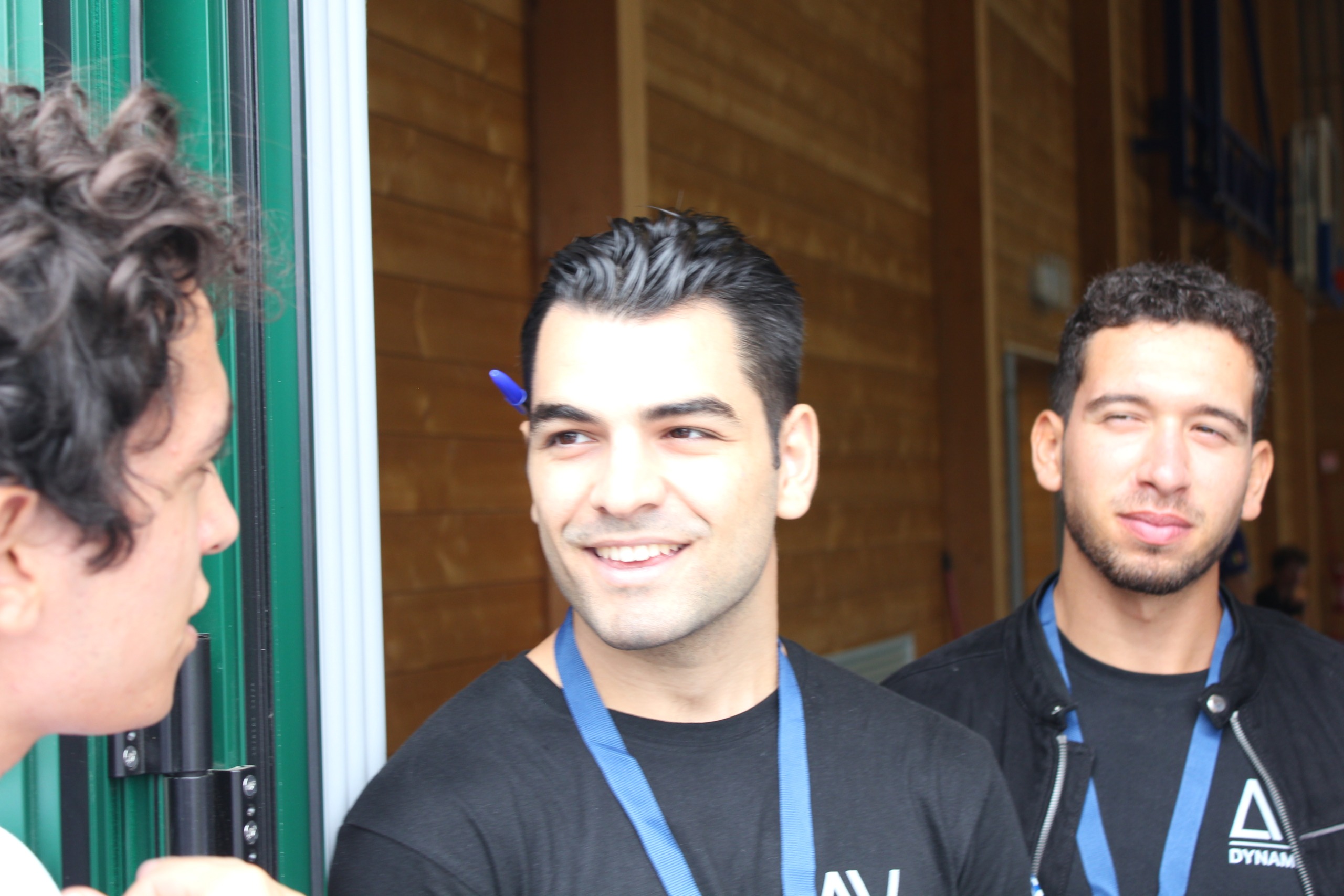
Airbus Sloshing Rocket Workshop
Designing for Sloshing
A half full unpressurised water tank shifts the rocket's centre of mass in flight and destabilises it. The design had to manage those dynamic sloshing forces to maximise range, time of flight, and payload fraction.
The rules set hard limits: ≤ 5 kg take-off weight, launch pressure < 10 atm (147 psi), vehicle ≤ 1.5 m long, air/water propellant only, and a total cost ≤ €500, with cost itself a scored metric.
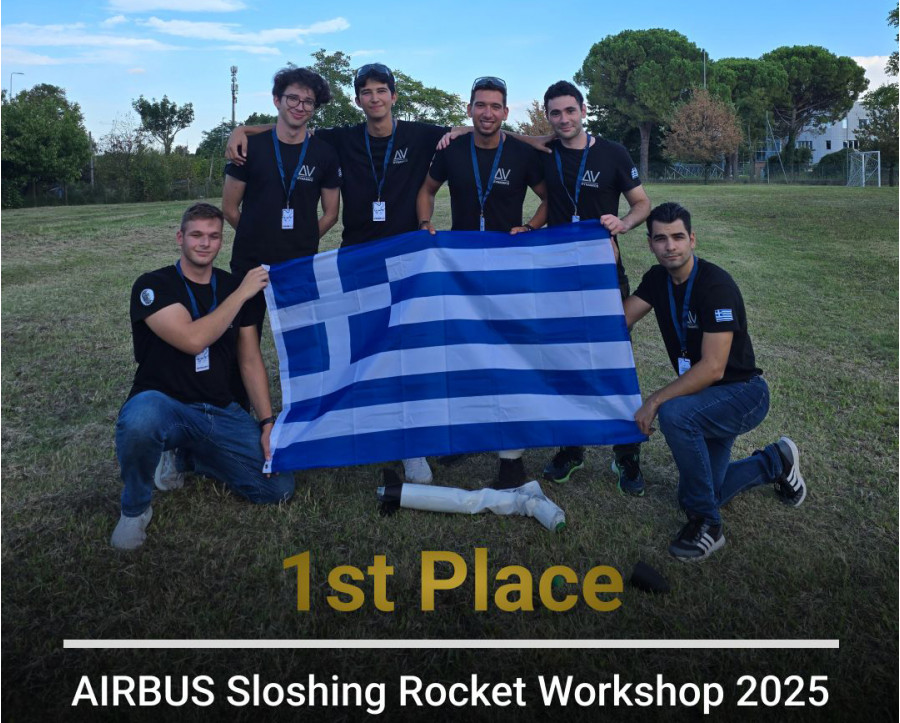
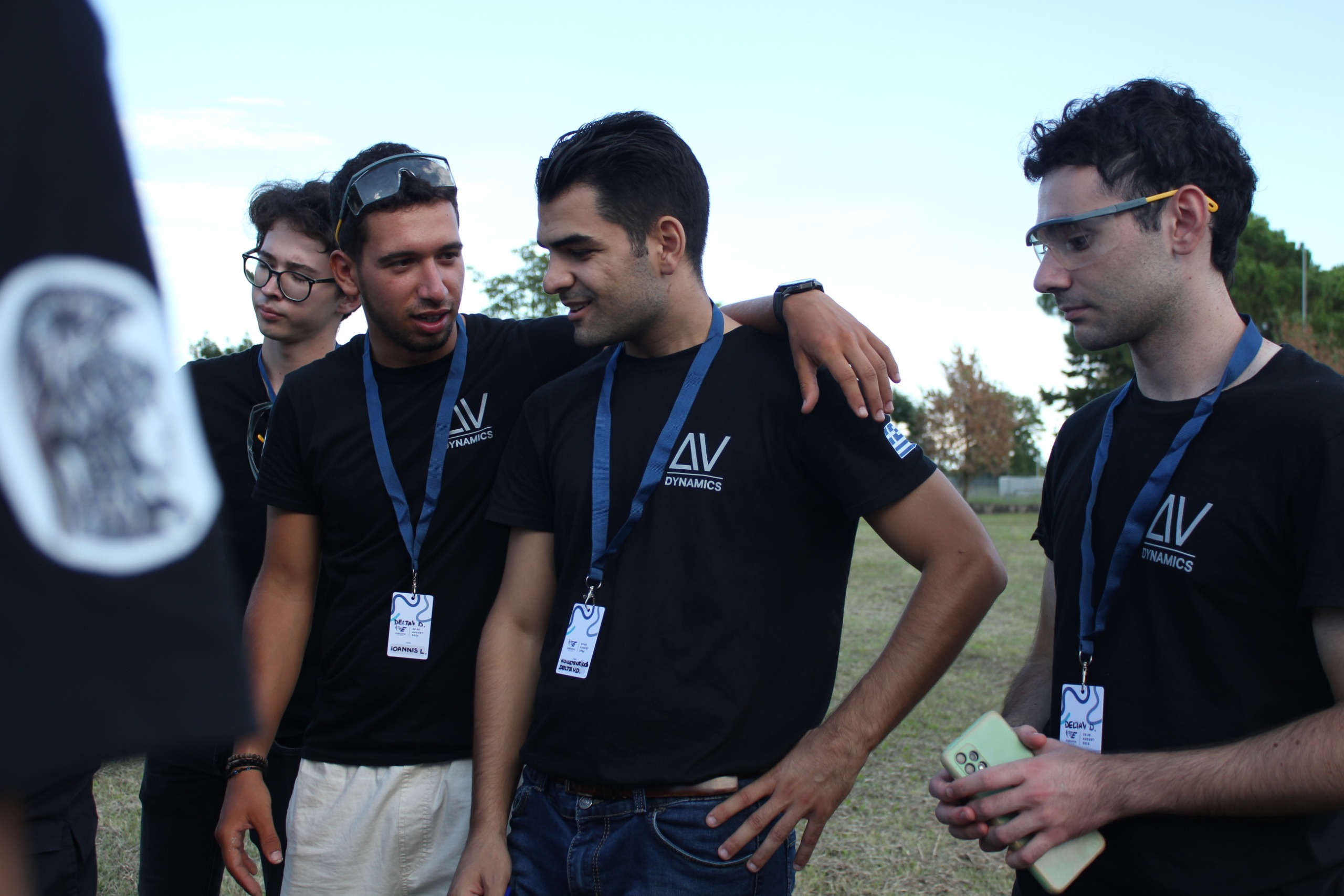
Optimising the objective the score actually rewards
I built a Simulink water-air propulsion model that captured nozzle thrust and the in-flight liquid mass shift simultaneously.
Because the score rewards displacement-plus-time scaled by payload fraction, not thrust, optimising raw thrust is the wrong target. Modelling thrust and mass shift together let us optimise the actual scored quantity.
Collaboration with the Local Authorities
Our team had cultivated a long-enduring collaboration with the local authorities of the region of Dirfies-Messapies, who provided the necessary space for rocket launch testing.
Tuning the water charge
With water volume as the free variable, specific work traces a clear optimum: a peak of 194 J/kg near an 890 ml charge of the 1780 ml tank. The operating point was set off this curve. A 3% difference from the optimum fill fraction was accepted.
Optimised design parameters
At a take-off weight of 2.03 kg, the sweep returned the dimensionless set σ, ρ, m and a payload ratio of π = 0.393, the figure the competition score actually rewards.
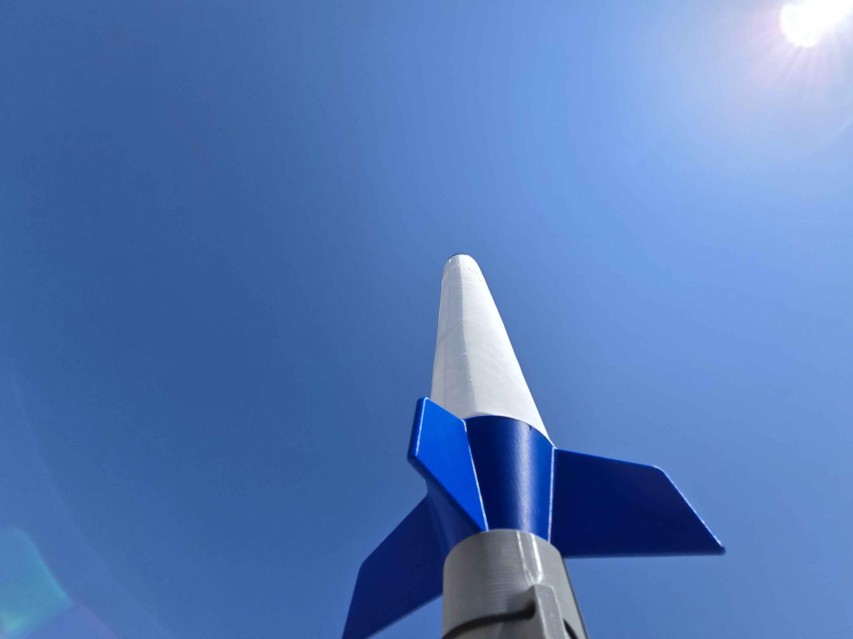
The rocket, as built
During the 5-day Forlì build window, we manufactured the rocket and launch system using only the parts in our submitted Bill of Materials, no outside parts, no borrowing.
We had deliberately minimised spares to reduce cost, cost was scored, which left zero margin for error, a tradeoff that would matter on the final day.
We also designed a new, leaner launch frame with fewer structural components than our Greek rig, but did not field-test the new version before the final.
The failed first attempt and the fix
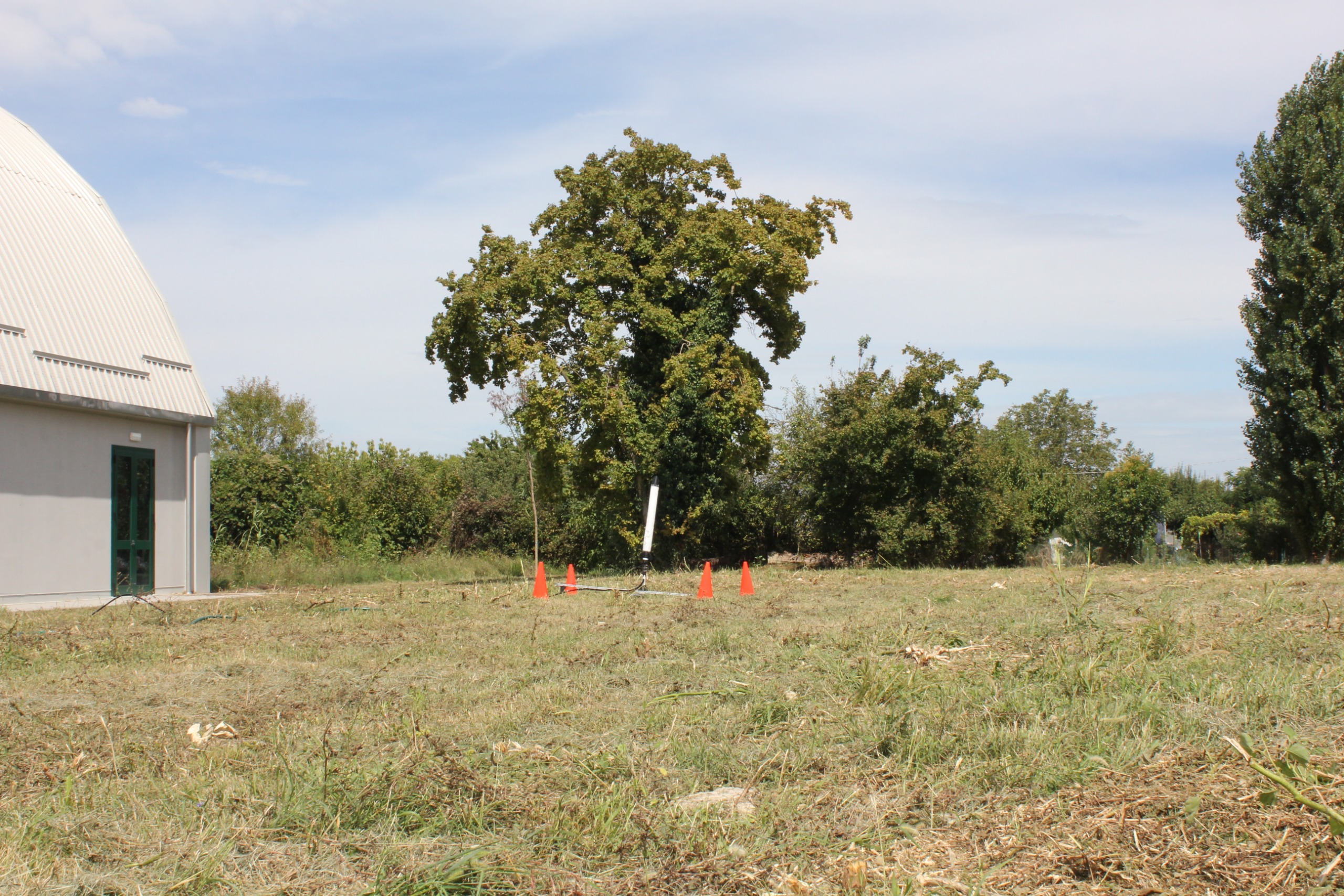
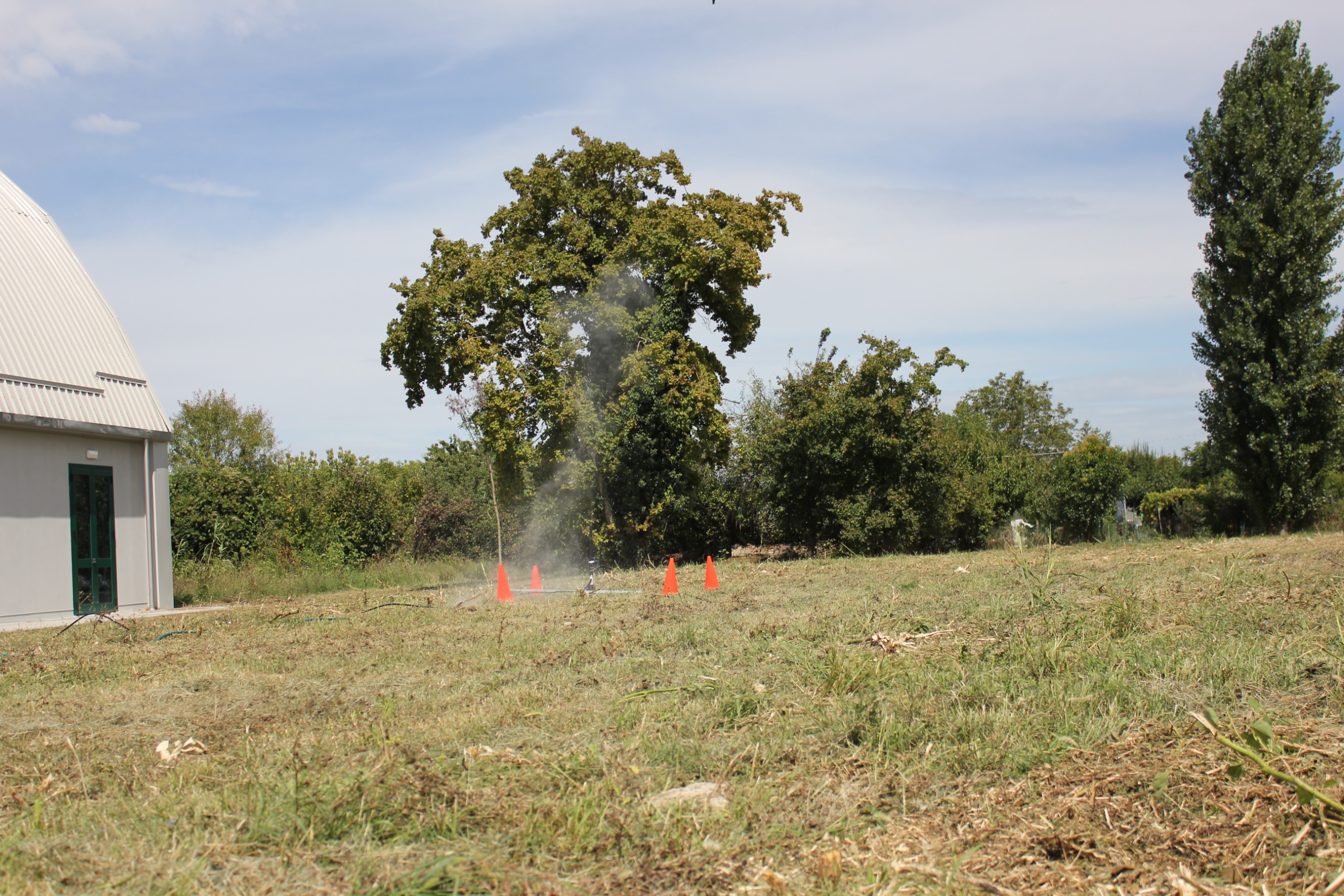
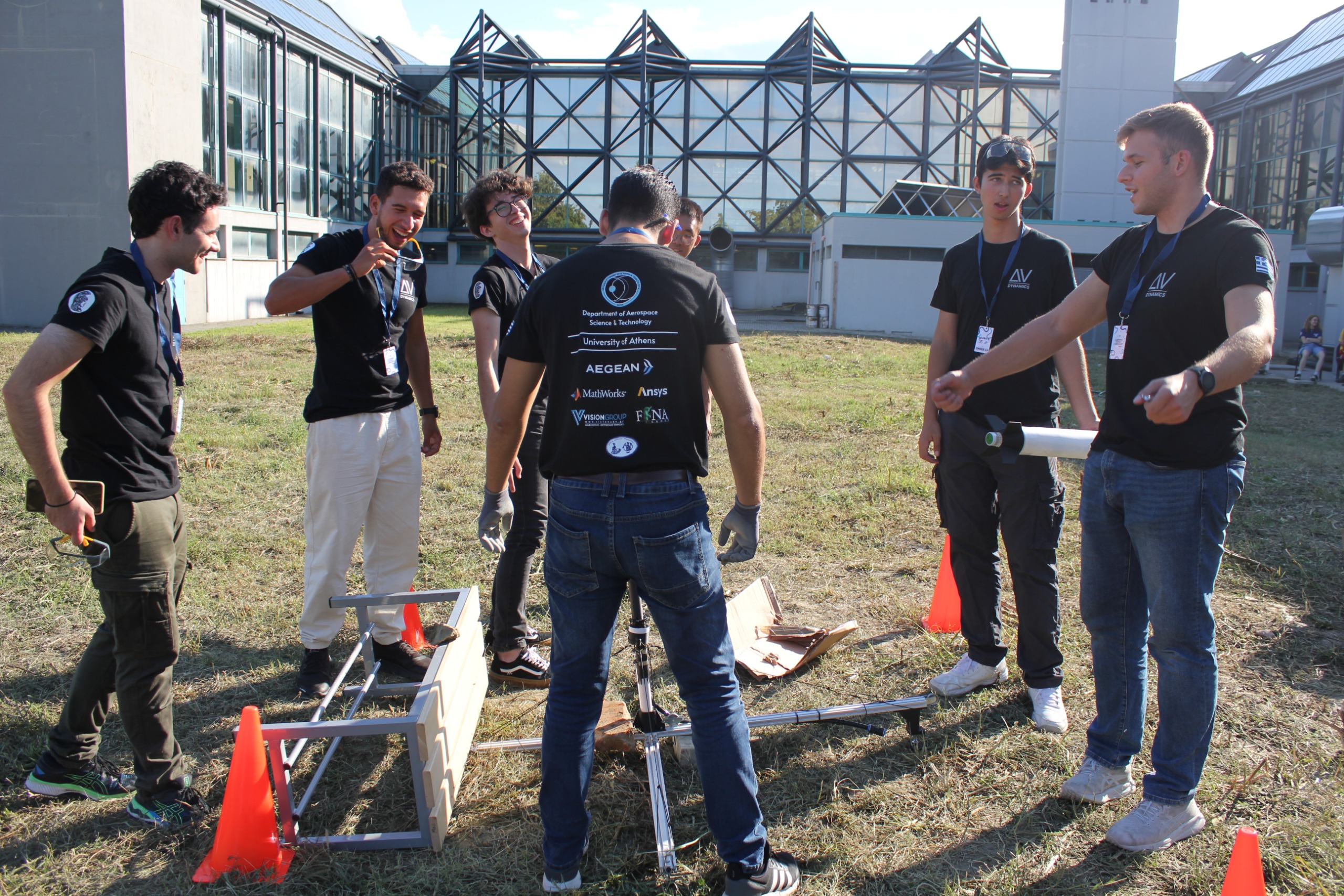
The failure. On the first of only two attempts, the rocket pitched nearly 90° off vertical the instant it left the rod. The unanchored launch frame had jumped under the reaction load. Thrust was nominal. The launch system was at fault.
The fix. With no design changes or borrowed parts allowed and a storm approaching, I improvised: a brick dug from the ploughed field wedged under the launch rod, and the team’s bench strapped on for mass and rigidity.
The result. The second flight was clean and matched simulation.
The winning flight
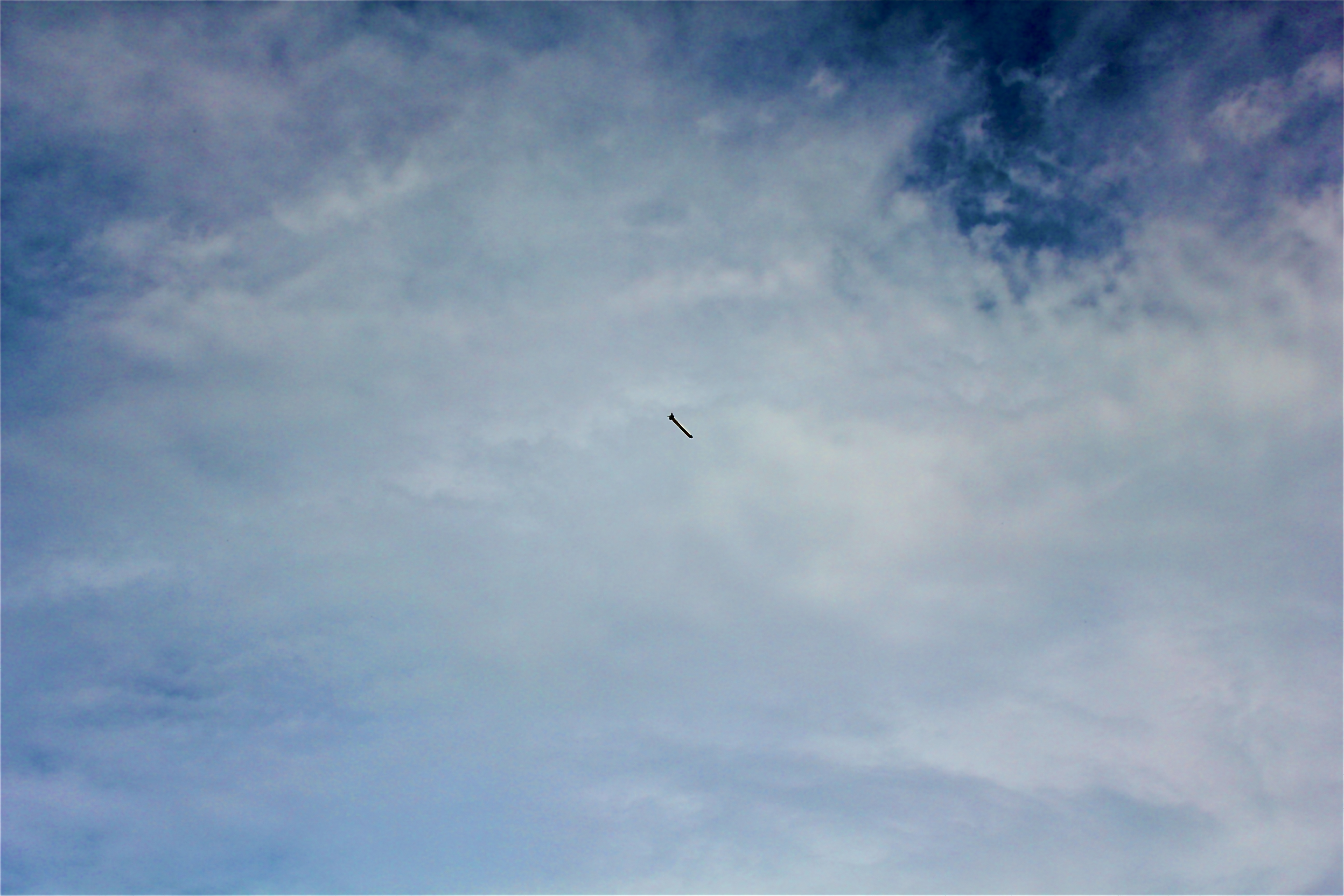
With the launch rig anchored by the improvised brick, the second and final attempt flew clean, a straight, stable ascent to 57 m apogee in line with the simulation, that secured the overall competition win.
The Launch System
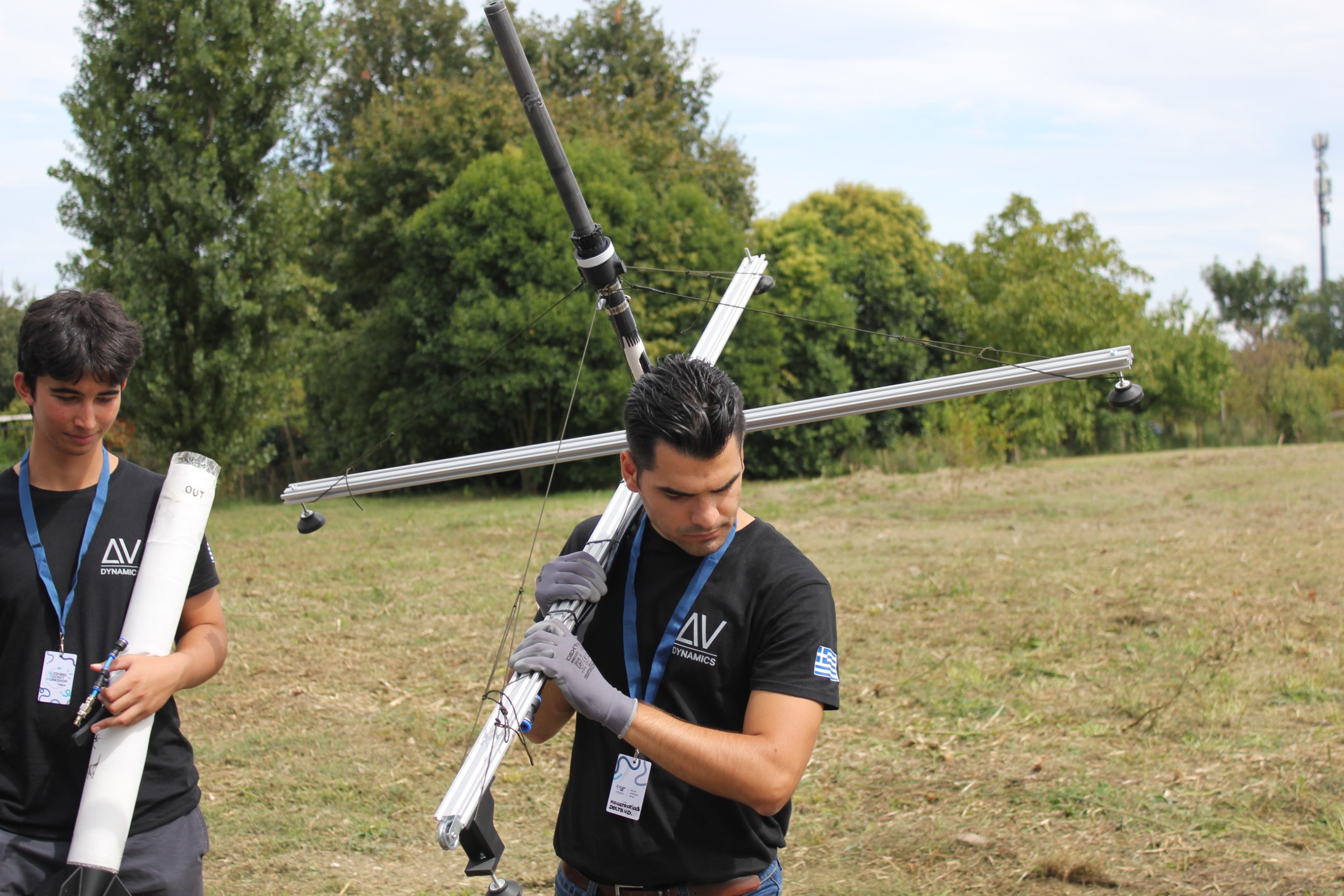
For the purposes of rocket launches a cross-shaped platform was devised by the mechanical engineer of our team, with features like internal piping for the channeling of the air flow, a reliable locking mechanism and launch-rod straightening wires in tension.
A multifunctional and lightweight structure that endured more than 100 m/s² of acceleration.
Competition Committees




MathWorks Winner’s Circle
Our team was featured in the “Winner’s Circle” online blog of MathWorks, recognising our distinction and the use of MATLAB/Simulink for the design and optimisation of our water/air propulsion system.
Read the feature →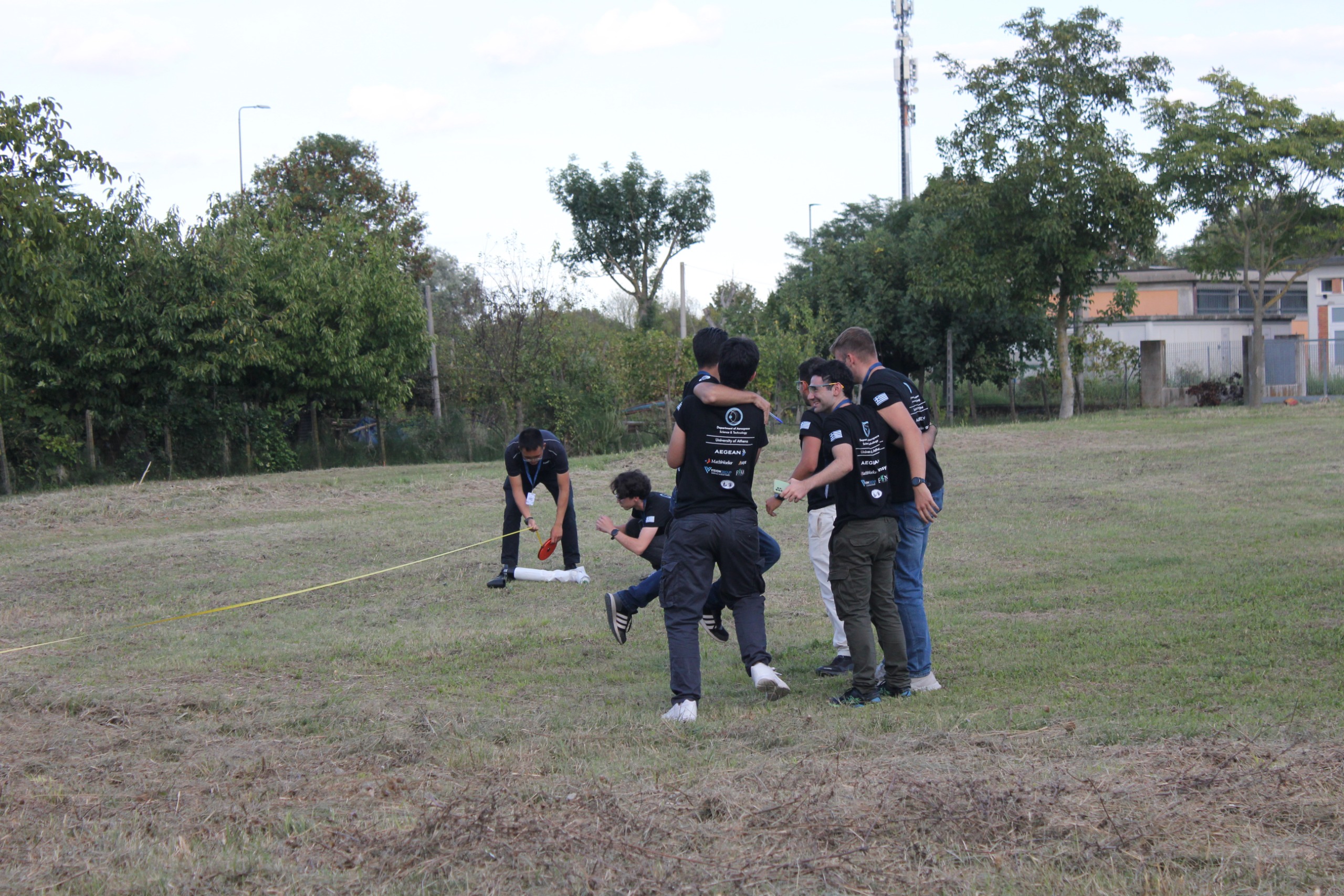
Model limitations
The model was calibrated on one tank geometry and one launch rig. Slosh is treated as a moving mass, not a resolved free surface. Drag was fitted, not measured. One flight agreed with the prediction, and one flight is not a validation campaign.
Principal sources
- MathWorks. Winner's Circle: feature on the winning Simulink propulsion model. mathworks.com/academia →
- EUROAVIA International. Airbus Sloshing Rocket Workshop 2025, results. Forlì, Italy, 2025.
- DeltaV Dynamics. Conceptual Design Report. 2025.
- DeltaV Dynamics. Final Design Report, scored 8.6/10. 2025.